What Actually Matters Before You Pick One
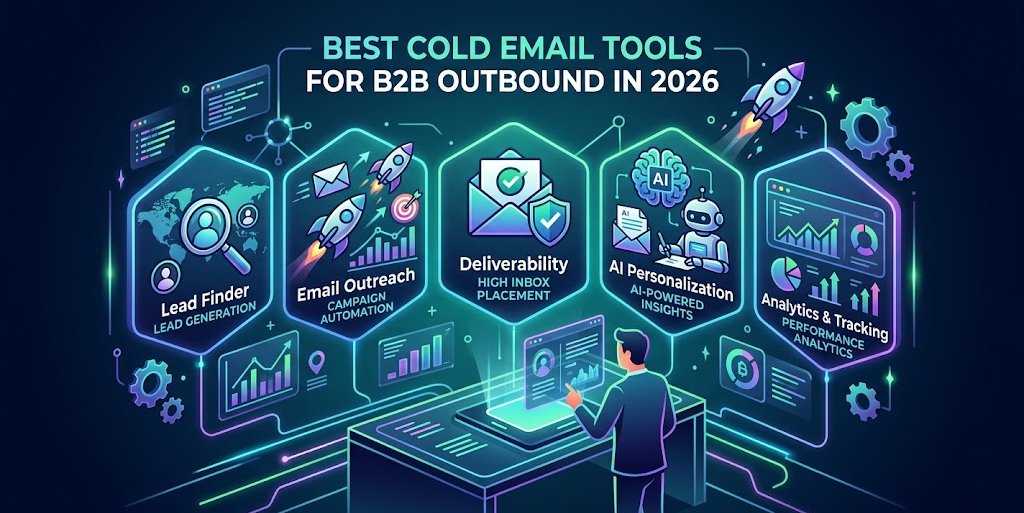
Deliverability is the thing to check first. Not because it sounds responsible, but because a tool with weak warm-up or sloppy SPF/DKIM/DMARC setup will tank your results no matter how good your subject lines are. This part isn't glamorous, but it's the part that decides whether your emails land in an inbox or in nowhere.
Second thing: how much work actually goes away once the AI kicks in. A lot of these platforms slap "AI-powered" on the label, then all it really does is write you a first draft that needs fixing anyway. Fewer of them handle the stuff after the send: sorting replies, flagging who's actually interested, and pushing that into your CRM without someone doing it by hand.
Database size gets thrown around like a trophy, and it mostly means nothing. Eight hundred million contacts sounds huge until half of them have nothing to do with who you actually sell to. What matters is whether the data holds up for your industry, your region, and your buyer.
And then there's the multichannel question. Most outbound that actually works these days isn't email-only. So it's worth knowing upfront whether a tool plays well with LinkedIn or calling or whether you'll be stitching something else on top later anyway.
Going Through the Actual Options
Instantly made its name on sending at volume without wrecking deliverability, and that's still what it does best. Unlimited sending accounts, a decent warm-up network, and some AI help with first lines and reply sorting. It's solid once you already know your ICP and just need dependable plumbing behind the campaigns. Don't expect it to do your strategy for you; that part's still on you.
Apollo puts a big contact database and sequencing under one roof, which appeals to teams tired of juggling separate tools for finding people and messaging them. Where it gets annoying is the per-seat pricing: it climbs fast as you add reps, and the CRM syncing is fine but nothing special.
Saleshandy keeps things cheap without cutting too much. You get a sizable lead list and a built-in inbox-slash-CRM in one bill instead of three. Good starting point for smaller teams or agencies watching their budget. A few teams do outgrow it once they're running bigger, messier campaigns.
Lemlist is still the one for people who don't want their outreach looking like everyone else's. Personalized images, video, and custom landing pages—that's its whole identity. Great for smaller, high-touch sends. Its deliverability tools lag behind the platforms built around infrastructure first.
Smartlead is basically made for agencies juggling a dozen client accounts at once. Unlimited senders, strong deliverability controls, built for that chaos. If you're just one in-house team, a chunk of what it offers will sit unused.
Salesforge doesn't cap mailboxes or LinkedIn senders on any plan, which starts to matter a lot once you're sending real volume. Its AI agent (they call it Agent Frank) handles research, drafting, and follow-up, with a review step before anything actually goes out. The native LinkedIn piece is probably why it's picked up traction this year; most competitors still treat LinkedIn as an afterthought.
Email Alone Is Only Half the Job
Here's the thing most of these comparisons skip over: even the best email tool only covers one channel. The reps actually filling their calendars in 2026 aren't sending cold email and hoping. They're combining it with LinkedIn, where a lot of B2B buyers are already doing their homework on a vendor long before that email ever lands.
That's basically the gap DoReach sits in. Your cold email tool handles the sending and the deliverability side. DoReach takes the manual grind out of LinkedIn—the connection requests, the follow-ups, keeping track of who's been messaged and when—so nobody's flipping between five browser tabs and a spreadsheet just to remember where a conversation left off. It runs in the background so the team spends time on actual conversations instead of admin work.
Run one alongside the other and prospects hear from you on two channels without anyone's workload doubling to make that happen.
Before You Commit, Ask Yourself
- Does this tool actually handle deliverability, warm-up, spam monitoring, and guided DNS setup, or are you left figuring that out solo?
- Does it fit your team size, or are you paying for agency features you'll never touch?
- Is the database genuinely strong where you sell, not just big on paper?
- What still lands back on your plate after the AI's done its part?
- Do you need LinkedIn in the mix now, or can that wait?
- Have you actually tested it on a small batch before trusting it with your whole list?
Most of these offer a trial or a cheap entry tier. Use it before you scale anything up.